
Q – How would you describe your experience as a new political party representative in the North West Legislature during your first 100 days?
A – As I mark my first 100 days as the official representative of ActionSA in the North West Provincial Legislature, I am filled with a mix of hope and concerns. Being part of this democratic process is both an honour and a challenge, particularly as our party establishes its first foothold in a political system long dominated by a single party, particularly here in the North West province. For the last 30 years our people have only experienced a one party political system, more of the same. But here are my Key Observations during this period :
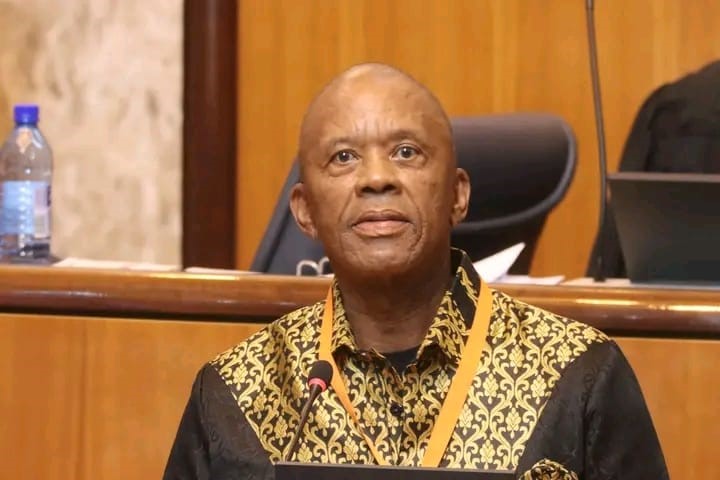
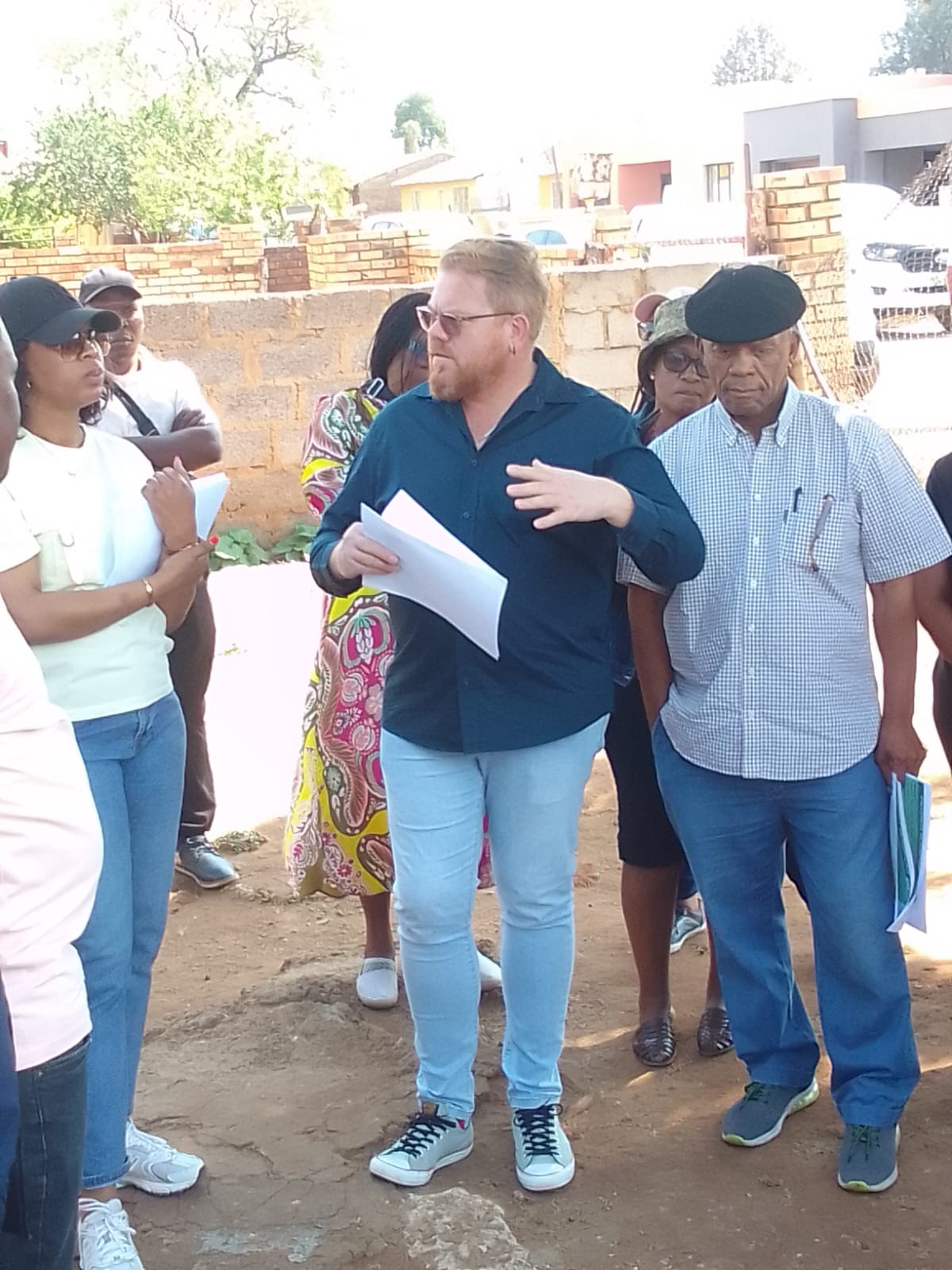
My first observation was the total lack of an “ Understanding of Roles and Responsibilities : I was surprised to find that majority of Members of the Provincial Legislature (MPLs) from the ruling party, I particular, appear to have a limited understanding of their primary role and responsibility, that of “keeping the provincial government accountable “and the “privilege to serve” our people so generously afforded to them by the people of this province over and over again for the last 30 years, This disdained and lack of accountability is deeply concerning to me, especially given the severe socio-economic conditions many of our communities are living under in this province that was once a shining beacon of economic prosperity in this country.
This type of leadership that I found in the legislature often feels inadequate. There seems to be a prevailing attitude of “business as usual,” from leaders of the ruling party which is in stark contrast to the people’s urgent demands for proper basic services. This level of complacency or rather disdain is alarming to say the least.
Secondly, the province currently faces major urgent service delivery issues such as provision of clean drinkable water, jobs for the youth, including broken infrastructure. It is common cause that many communities are suffering as a result of deteriorating roads and health facilities, insufficient public services, and decaying infrastructure. The unemployment rate in our province is alarmingly above the national average, creating a cycle of poverty, particularly among the youth, which demands immediate attention. Yet the political posture of the ruling ANC here in this province is that of “business as usual”…!
Q – The NW provincial legislature has 14 portfolio and standing committees, and it was practically impossible for a single MPL to participate in all of them. What influenced your section criteria?
A – The decision to join the Cooperative Governance and Traditional Leadership, Transport and Public Safety, and Agriculture committees in particular was influenced by a desire to serve the broader community and address pressing issues in the North West province. These committees were chosen based on their significance in providing essential services, ensuring safety, and addressing the high unemployment rate especially Cogta since it is providing oversight on the local government sphere which is at the coalface of delivery of basic services to our people.
In my view nothing will work unless municipalities are functioning properly, so Oversight of Local Government is paramount, so the Cogta Portfolio committee is my focal point since it is crucial for ensuring the proper functioning of local governments, which deliver essential services to residents, or are they?
My drive is by participating in this committee, one can contribute to improving service delivery to our people and hopefully accountability. In short, I believe I have chosen these specific committees to ensure that the provincial government is responsive to the needs of its citizens and is working towards a better future for all our citizens in this province.
Q – How many debates, motions and questions did you ask or participate in during this historic first 100 days period?
A – As ActionSA MPL, I am proud to reflect on my first 100 days in this historic oversight role. It all began first with my maiden reply speech as an opposition leader to the State of the Province address (SOPA) by the premier, which was well received by the house. Secondly, I actively participated in debates on all 10 of the portfolio budget votes, ensuring our party’s voice was for the very first time heard on critical issues here in the North West Province. This is historic.
What stood out for me was a deliberation following a Notice Motion to the tribute to the late Dr. Nkondo,an acclaimed academic of our province, this particular debate will forever stand out in my mind from all other debates I participated in during this period. Because I seized this opportunity to highlight the pressing issue of education in our country. With a pass rate of merely 30% tolerated by the ruling party, I emphasized the risk of failing to produce exceptional individuals like Dr. Nkondo in the future. To say we dropped the standard is low is an understatement. We have allowed the ruling party to destroy a whole generation of the future of this country.
In addition to these debates and motions, I have also been actively engaging with various stakeholders in the province to address concerns and push for positive change. As a member of the opposition in the legislature, it is crucial to hold those in power accountable and advocate for the needs of our constituents. And being a single member for ActionSA is no excuse.
Q – How has your understanding of the legislative process evolved since taking office in your historic political party oversight role in the province?
A – As a former military man transitioning into a lawmaking role, I’ve experienced a profound culture shock. My experience is that the military instills discipline, accountability, and a strong sense of duty, which contrasts sharply with the self-serving nature of some lawmakers. In the military, which I worked in for more than 30 years, we took our responsibilities seriously, and it is disheartening to see that the same level of commitment is lacking in most of the leaders in the provincial legislature, particularly from the ruling party members.
To answer the question, my understanding of the legislative process so far has evolved significantly since taking office in the last 100 days. Pointedly, I have come to realize that the effective lawmaking and oversight role of the legislature requires collaboration, compromise, and a deep understanding of the complexities surrounding each and every government public service provision and administrative processes thereof.
As far as the legislative law-making process and daily proceedings is concerned, it typically involves Introducing provincial Bills, Debating departmental budgets votes, Voting, Motions, and Enacting Provincial specific legislation. It is a complex dance between various stakeholders, and navigating these dynamics requires finesse and strategic thinking.
So, I rely on my extensive experience as a military man, which taught me the importance of precision, attention to detail, and swift action. In contrast, the legislative process can be slow and contentious. However, I have learned to appreciate the value of deliberation and the need for diverse perspectives in shaping effective exercise of oversight over the public purse. And despite these challenges, I remain committed to serving our people with integrity and dedication. Now as a lawmaker, I strive to bridge the gap between the military’s sense of duty and the legislative process’s complexities. By doing so, I aim to create positive change and uphold the trust placed in me by my party ActionSA through the voters given to us during our first ever national and provincial elections to also make a difference in this province.
Political State of the Province
Q – What is your assessment of the State of politics, in particular the Calibre of the 7th Administration Executives in the North West province?
A – The North West province, once thriving as the “maize triangle” of South Africa, has unfortunately suffered under the successive leadership of the ANC government over the past 30 years. The province was renowned for its exceptional performance in education, infrastructure, and agriculture, but poor leadership has led to devastating economic and infrastructural decline. The province is now a shadow of its former self, sadly so. Only through effective governance, starting at municipal level, can the province reclaim its “Maize Triangle” status of a thriving hub of agricultural production and economic growth.
The ANC’s decline in popularity was evident in the recent 2024 national elections, where they lost their outright national government majority for the first time since 1994, securing only 39.18% of the vote. This shift in power dynamics presents opportunities for coalition-building and potentially transformative policy changes in our democratic dispensations in the province in the near future, starting with the upcoming Local Government Elections in 2026, which the ANC will lose in this province, in my humbly prediction.
Despite this dismal performance by the ANC nationally, concerns persist about the Provincial ANC’s ability to address pressing issues such as corruption, inadequate service delivery, high unemployment, lack of drinkable clean water and widespread power outages. The provincial party’s internal divisions and lack of decisive action against entrenched patronage networks have hindered progress, especially in municipalities across the province. The impact of poor governance due to these factional battles of the ANC is palpable. The destruction of the economy and infrastructure inherited from the Bophuthatswana government is a stark reminder of the urgent need for effective leadership. Unfortunately, the current leadership of the ruling party seems unwilling to change its ways, adhering to a “business as usual” approach despite losing power at the national level. It’s now up to our people to do the right thing..!!
Key Challenges Facing the North West Province:
Economic Decline: The province’s once-thriving agricultural sector has suffered significantly due to poor governance and lack of visionary leadership. The province’s status as the Maize Triangle as I alluded earlier is now long forgotten and replaced by highest grant recipients, rampant crime, and now our new “status” as the province with the highest unemployment rate at 54,09% above the national average in the country today.
–Infrastructure Decay: The destruction of infrastructure inherited from the Bophuthatswana government has hindered economic growth and destroyed thousands of local jobs in the province, hence, it is not surprising we top the country with the highest unemployment rate. It is made- made and tells of the dire state of the North-West province.
Education and Healthcare : the spiralling decline in education and healthcare services has had a devastating impact on the province’s residents and my earlier reference to Dr Nkondo Motion with Notice debate and the 30% pass rate issue is at the heart of this deliberate and well-coordinated destruction of our education system in the country, not just in this province. My view is that in order to address these challenges, the North-West province requires a committed ethical leadership focused on revitalizing the economy, rebuilding infrastructure, and improving essential services. As ActionSA, we believe strongly that education must be left to Educators like the late Dr Nkondo and be free from political interference because educators are critical to the reforms we need in the education system, and less of us as politicians.
Q – How do you believe their leadership has affected the province’s governance and basic service delivery?
A – The poor leadership in the North-West province has had a devastating impact on governance and lack of basic service delivery, which will unfortunately be felt for generations to come. The province’s inability to provide basic services such as water, sanitation, and electricity has led to widespread discontent among residents. The inconsistent provision of these services has resulted in violent protests, highlighting the urgent need for effective governance that only happens through change of government by the citizens of this province. It’s in their hands so to speak. As ActionSA in the North-West we are on the ground every day to make sure that our people know they now have a viable alternative to vote for in the upcoming elections in the future.
Politics of Collaboration and Coalition Arrangement
Q – Is ActionSANW in any formal or informal coalition arrangement with any political party represented in the legislature?
A – Our Senate, has chosen not to enter into any formal or informal coalition arrangements with other political parties nationally, hence, our party is not part of the grand coalition(so called GNU), and as result ActionSA in the provincial legislature is not involved in any formal or information arrangement with any party.
ActionSA Senate took this decision to play a “constructive opposition role” instead, allowing our party to collaborate on issues beneficial to the people while remaining outside the DA-ANC grand coalition. This approach enables ActionSA to provide a strong opposition voice, both nationally and in provinces where they have representation.
As alluded above this is appreciated of coalition era ushering in by the voters in our last election, in this political context, coalition governments are formed when no single party holds a majority of seats in the parliament, legislature or council. This has become increasingly common since the 2016 and 2021 local government elections, with approximately 70 councils requiring coalition governments after the 2021 elections. While coalition governments can deepen democracy and promote compromise-based policies, they also come with challenges, such as potential instability and conflicting party interests. ActionSA Senate decision to remain outside the coalition highlights the complexities of navigating these new political dynamics in our country.
Q – How have you built relationships with other parties or independent members?
A – Building relationships with other opposition parties in the legislature or municipal councils where we have representation has been a key focus for ActionSA. Despite our differences in political persuasion, we have been able to work collaboratively to hold the ruling party accountable and ensure they address the pressing issues facing our people.
Our party leadership has achieved this through various means, including participating in multi-party forums and engaging in constructive debates. Our goal is to put the needs of the people above party politics and work towards finding solutions to the challenges facing our country. In fact, ActionSA has now formally taken a Senate decision to remain as a constructive opposition in the National Assembly and provincial legislatures where we are represented such as here in the North-West Provincial legislature where I am representing the party. This simply means we will support any policy or legislation proposals that serve the interests of all the people of our country, while also holding the ruling grand coalition accountable for their actions.
Q – Have you collaborated on any cross-party initiatives? If so, which parties and what were they?
A – As ActionSA in the North-West Province we have not yet collaborated on any by-partisan initiatives, but we are definitely open to exploring opportunities for future collaboration with those parties that share our values and principles. As you now know the 2024 election marked a significant shift in South Africa’s political landscape, ushering in an era of coalition politics, with no single party holding a majority, nationally collaboration has become essential. And even though here in the North-West the ANC still enjoys an outright majority in the provincial legislature, we must keep an open mind because the future of the coalition is now upon us.
I strongly believe that by putting aside party differences and working towards a common goal, we can achieve far more than we could alone. The door is indeed open for future collaboration, and we are excited about the future prospects of a true multi-party democracy because this can only strengthen our democracy.